
-
 Liz Ruskin/Alaska Public MediaBering Strait communities are urging passage of a bill that would prohibit states from banning ivory that's in authentic Alaska Native art and handicrafts.
 -
 Alena NaidenUAF researchers say that the ice, crucial for coastal communities and industry in the Arctic, has been shrinking over the last three decades.


-
 The University of Alaska Southeast and the Central Council of the Tlingit & Haida Indian Tribes of Alaska are working together to create a School of Indigenous Studies.
 -
 A rainbow pride Ravenstail robe, wove by dozens of mentors and youth, was danced for the first time this week on the court during the Gold Medal basketball tournament in Juneau.
 -
 FEMA is reopening a disaster management program, but some tribal leaders question its fit for AlaskaA federal court ordered FEMA to reinstate the program after 20 states sued over its closure.
 -
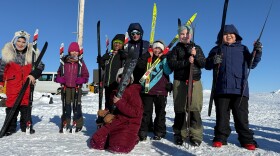 Skiku brings skiing to dozens of rural Alaska communities. This year, they tried to make the program more community-driven.
 -
 Lawmakers are calling for the Trump administration to waive the fee for teachers hired through the H-1B visa program, which allows employers to recruit highly-skilled workers from overseas. The federal government raised the fee from $5,000 to $100,000 for each new applicant to the H-1B visa program in September 2025.
 -
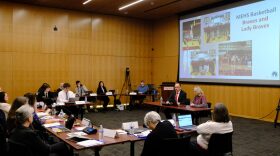 The state board will create a new committee to review concerns, including student services and maintenance needs, after roughly a quarter of students disenrolled this year.
 -
 More than 92% of adult tribal members that the tribe was able to contact by phone in recent weeks voted to relocate. Of two potential relocation sites located between Kipnuk and Chefornak, two-thirds said they'd prefer an option closer to the historical settlement of Cicing.
 -
 The voter credentials bill got 51 votes to advance but not enough to clear the Senate. Sen. Murkowski says she's for voter ID but says the bill would disenfranchise Alaskans.
 -
 Kelly Hunt was just 19 when she went missing from Shaktoolik, a small community near Nome.
 -
 The first lease sale in the National Petroleum Reserve in Alaska since 2019 generated $163 million in high bids, but some bids were for protected land.


